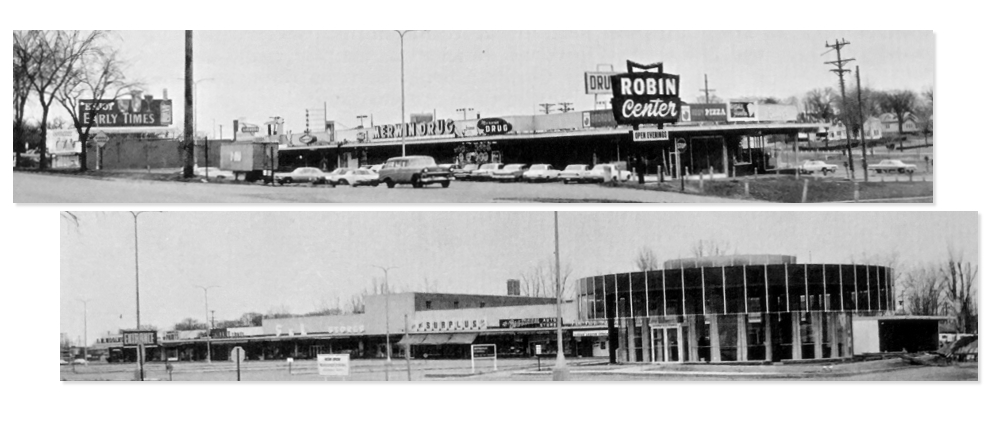
The retail evolution of Robbinsdale shifted dramatically from a traditional, walkable early 20th-century main street to auto-centric suburban development driven by a post-World War II demand for convenience. This transformation was deeply influenced by Austrian-Jewish architect Victor Gruen, who originally envisioned enclosed shopping centers as comprehensive, walkable civic hubs complete with schools, medical clinics, and housing. However, American developers largely bypassed his idealistic social vision in favor of commercial mega-complexes surrounded by vast parking lots. In Robbinsdale, this era kicked off in 1955 when developers successfully conquered a deep mosquito-breeding swamp along Highway 52 to construct the Robin Center, an outdoor strip mall featuring local staples like Merwin Drug and Fin-Fare Foods, which famously served deep-fried frog legs.
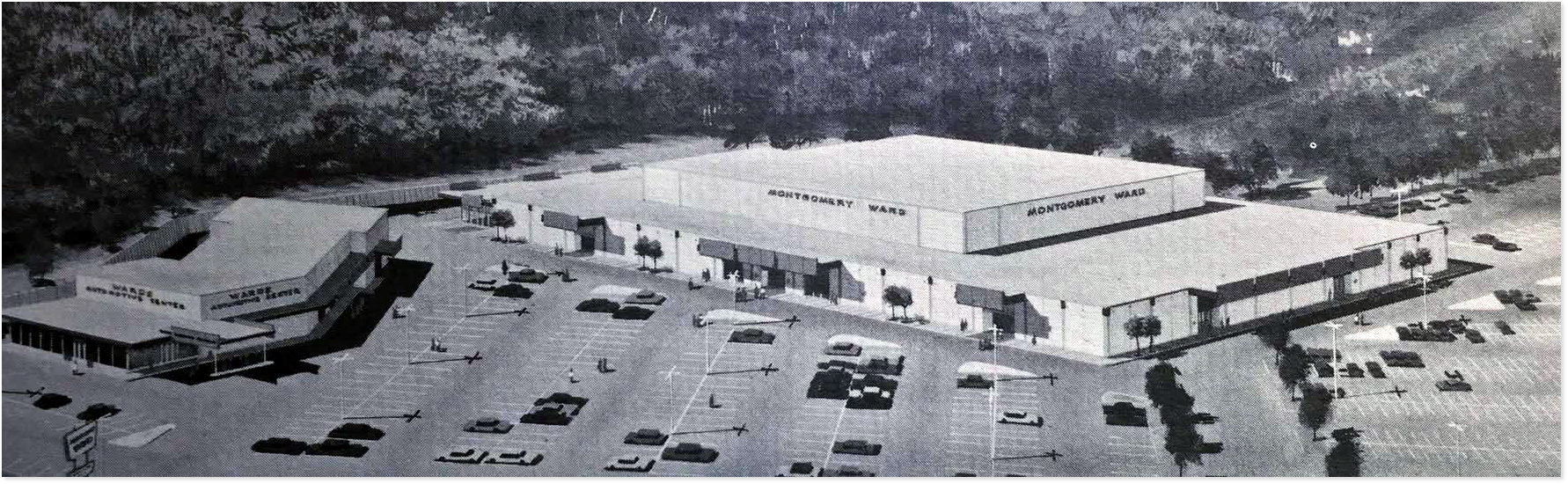
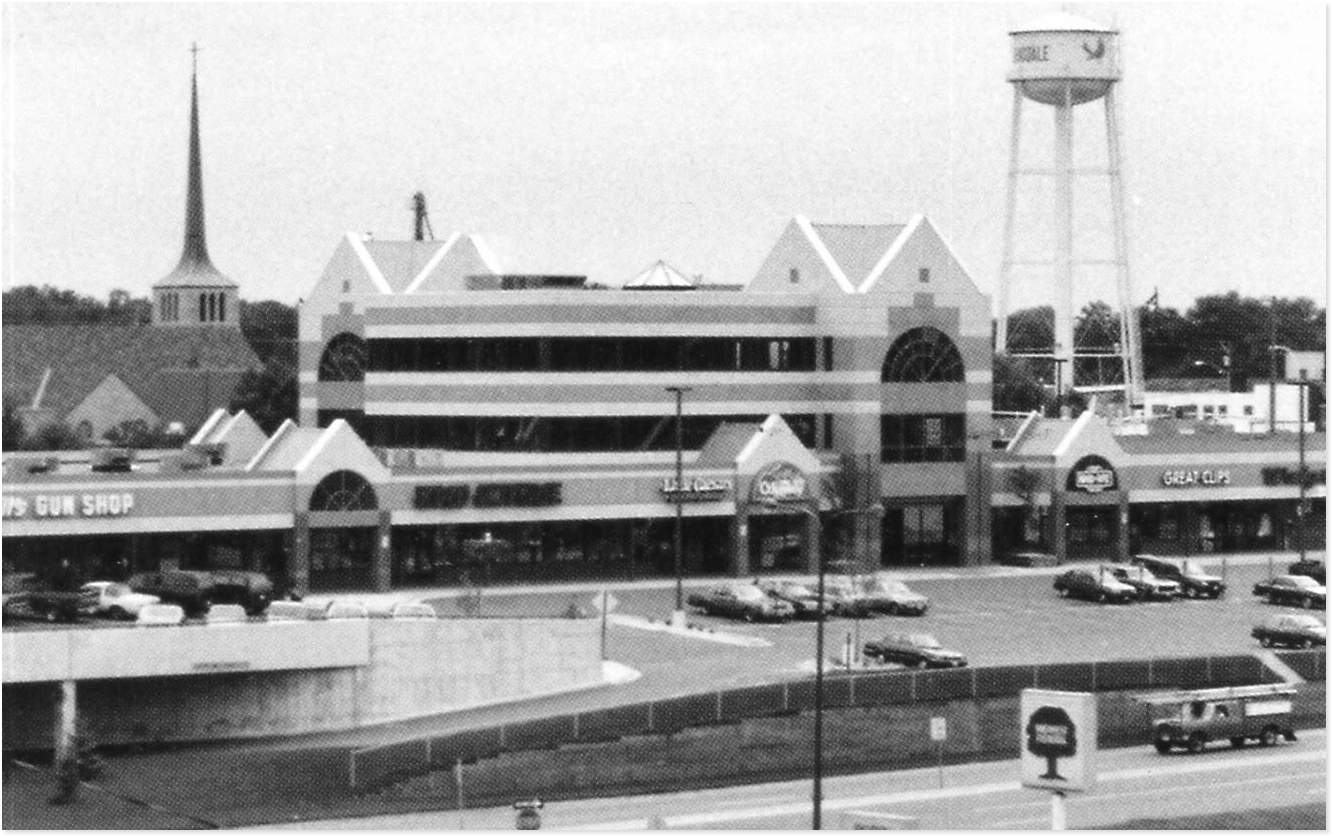
As the decades progressed, the retail landscape grew increasingly cutthroat with the rise of regional mega-malls like Brookdale Center, which siphoned economic vitality away from traditional downtown corridors. In response, Robbinsdale officials attempted various heavy-handed commercial experiments, including the establishment of a massive Montgomery Ward store equipped with Wendy Ward Charm Classes, and the creation of the Terrace Mall, an ill-fated indoor concourse whose storefronts famously turned inward away from passing motorists. By the late 1980s, the city pushed forward with another ambitious urban renewal project, the Robbinsdale Town Center, right across from the Robin Center. This project quickly became mired in chaos when its primary lender collapsed during the historic Savings and Loan crisis, leaving the brand-new mall under the direct ownership of the United States federal government and even triggering a bizarre, short-lived proposal by North Memorial Hospital to operate a pull-tab casino inside the corridors.
Ultimately, the era of the troubled indoor and suburban mega-malls faded as e-commerce expanded and traditional anchors collapsed, prompting Robbinsdale to pivot toward modern redevelopment. The defunct Terrace Mall site was eventually bulldozed and replaced by the Terrace Center, anchored by a Hy-Vee grocery store alongside the addition of new multi-family housing options like Parker Station Flats. Through these transformations, older strips like the Robin Center soldiered on through decades of commercial shifts, bringing the city’s urban planning full circle back to a mixed-use model that might be a little bit like Victor Gruen’s original architectural philosophy.
Listen to the rest of the story!
I loved Robin Center and saw many a great movie at the Terrace Theater!