A Civil War veteran, Jay Elijah Nash, moved to Minnesota in 1869 and established a 40-acre dairy farm on the eastern shore of Crystal Lake in 1880. Driven by his experiences in war, Jay became a staunch pacifist and a prominent figure in the region’s burgeoning populist and socialist movements. He helped found the Social Democratic Party of Minnesota in 1899, served as its State Secretary, and ran for Governor and State Treasurer multiple times until his tragic death in a wagon accident in 1915.
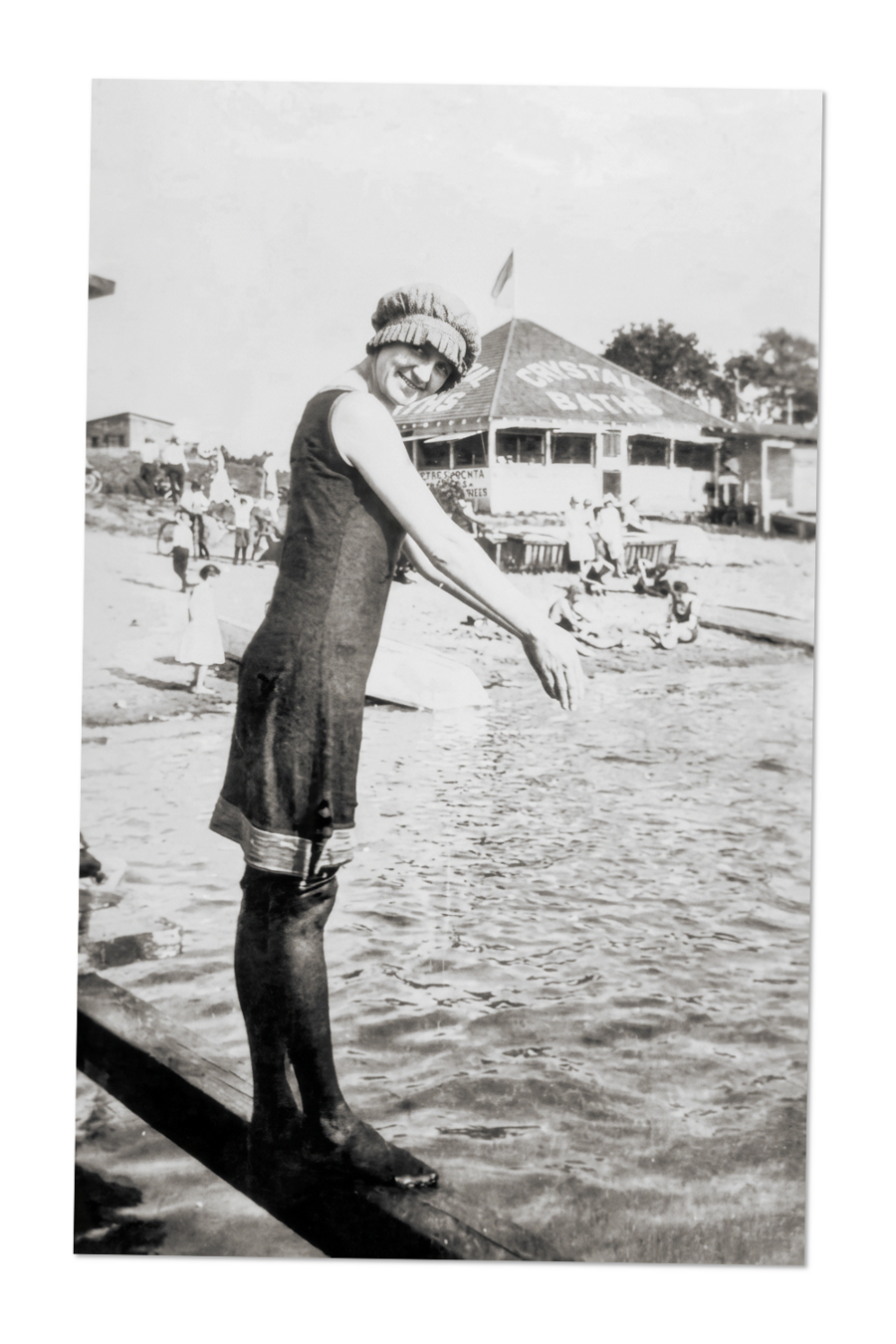
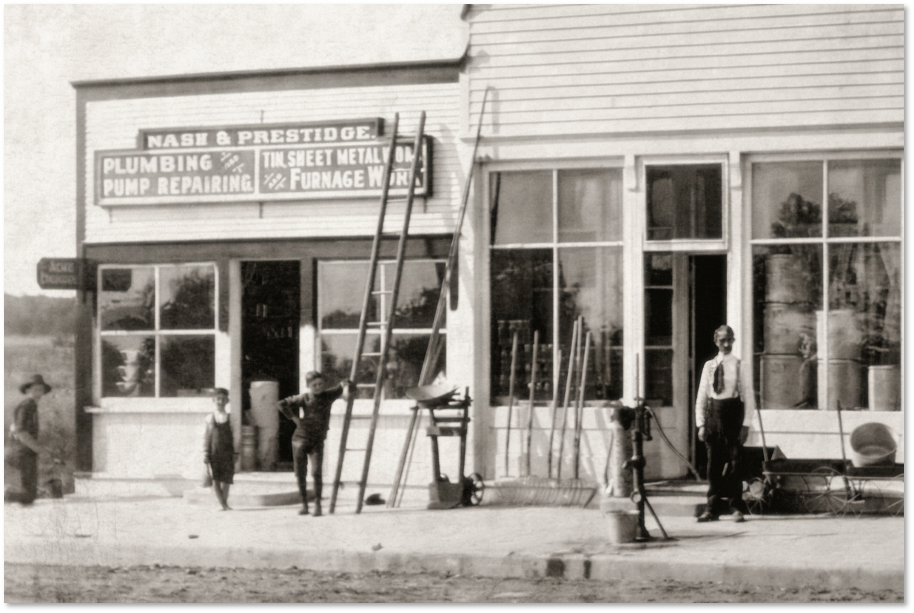
Jay’s children continued to shape the civic, economic, and social infrastructure of the growing town. His eldest son, George Silas Nash, became an essential local mechanic, opening Nash Hardware, engineering key public utilities, serving as the Fire Chief, and establishing the Fire Department Relief Association. He even served as the community’s unofficial weatherman by hoisting forecast flags outside his shop. His son, George Jr., followed in his civic footsteps, working in the family business and helping establish local churches. Meanwhile, Jay’s younger son, Floyd, capitalized on Crystal Lake’s pristine waters by opening the popular “Crystal Baths” in 1916. This became a bustling summer destination complete with water slides, springboards, and dance halls that navigated the cultural and moral shifts of the Prohibition era.
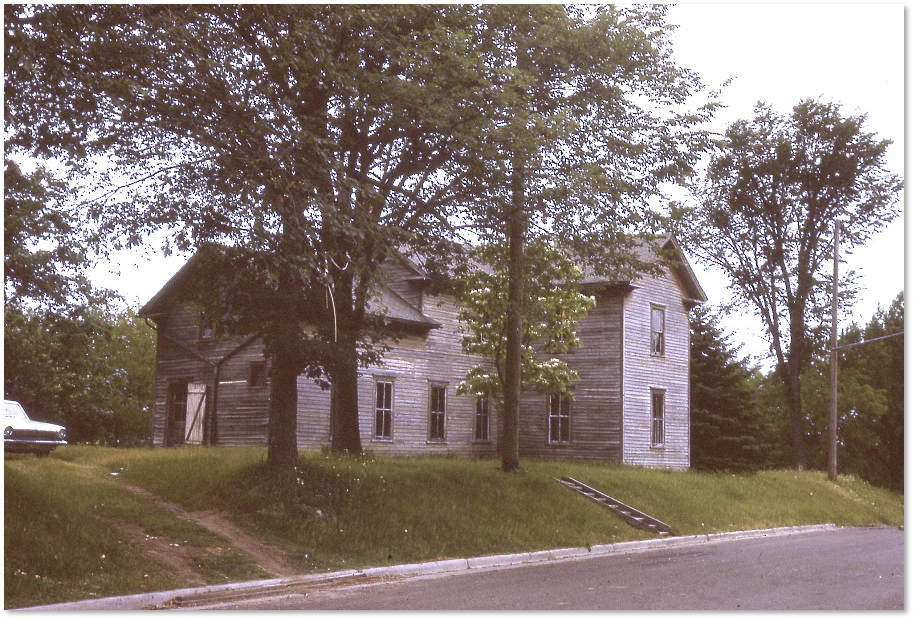
The family’s footprint extended well into the mid-20th century through Jay’s daughter, Ruby Nash, a long-time North High School teacher who lived in the original 1880 family homestead on “Ruby Hill” until its demolition in 1964. As the town modernized around the Nash properties, Crystal Lake suffered ecological degradation from infilling and urban runoff, leading to its temporary designation as a “dead lake” in 1967. However, aggressive community restoration efforts over subsequent decades, such as, continuous aeration, stocking, and the construction of a modern flocculation plant have help to revive the little body of water. Ultimately, the Nash family’s diverse legacy of political radicalism, public service, entrepreneurship, and stewardship is woven into the modern identity of Robbinsdale.
Listen to the rest of the story!