Let’s take a journey through the history of Twin Lake, a chain of three connected lakes stretching across Robbinsdale, Crystal, and Brooklyn Center. The story begins with Andrew B. Robbins, the visionary founder of Robbinsdale, who purchased 90 acres in 1886 and built factories, established a streetcar line, and created his magnificent lakeside estate, “The Orchards.” The episode describes the mansion, its elaborate gardens and conservatory, and Robbins’s broader vision that helped shape the community, while also exploring Theodore Wirth’s later, ambitious plans for a parkway connecting Twin Lake and Crystal Lake.
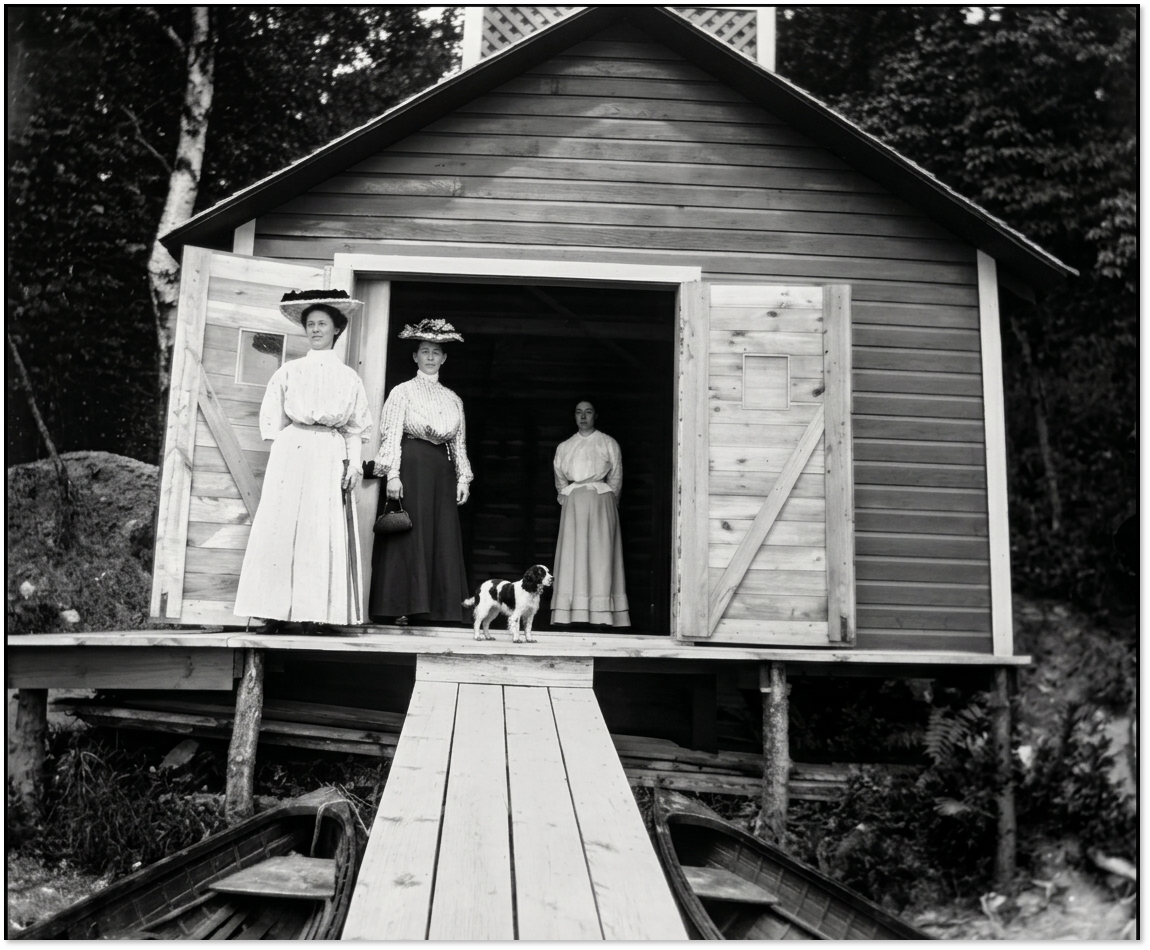
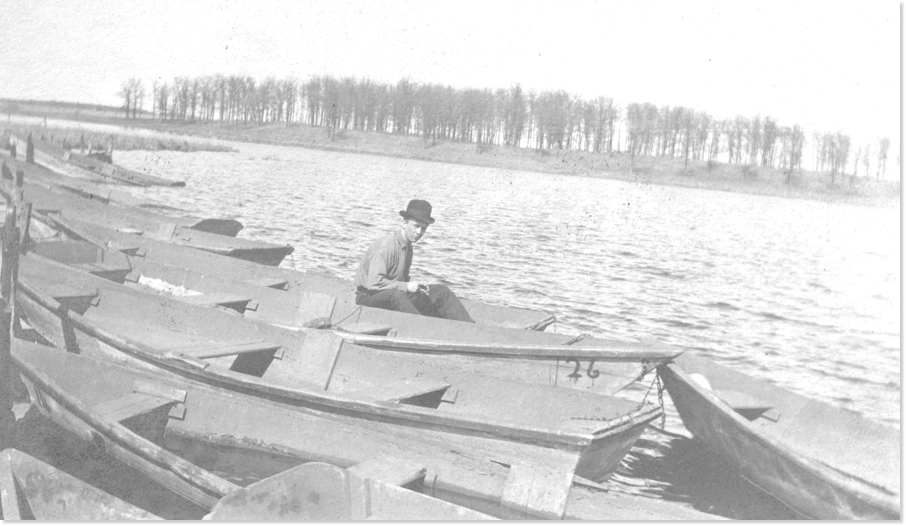
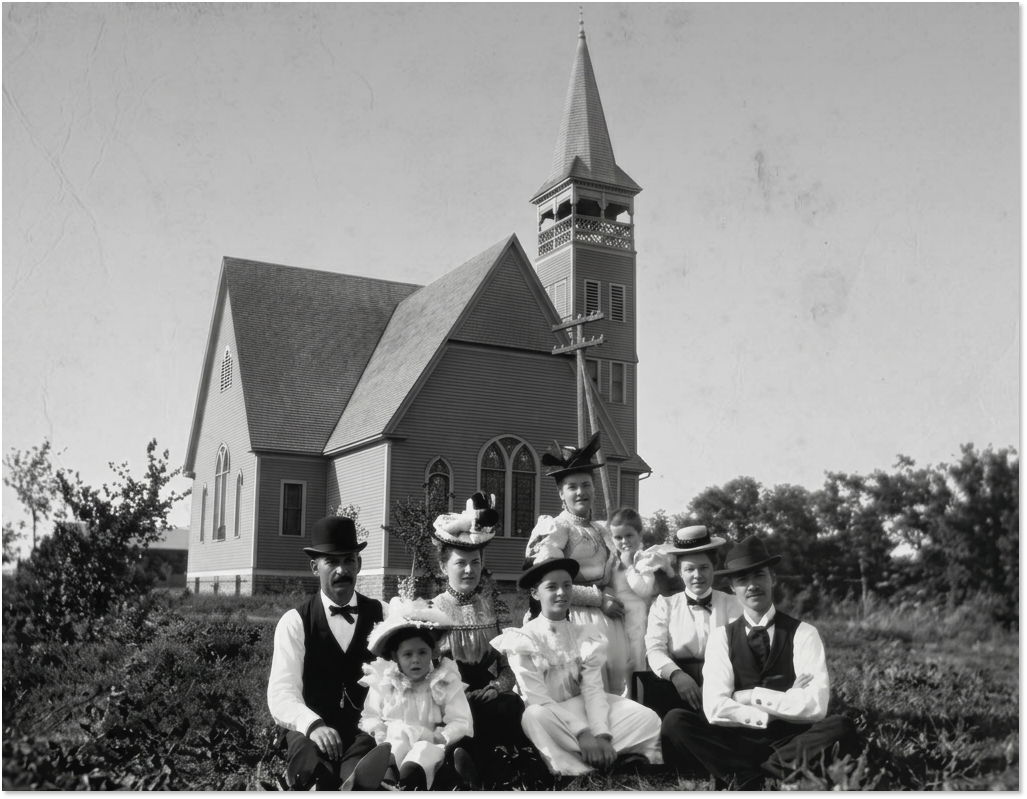
A major part of the story is the Trump family (No! They are not related!), who arrived from Iowa in 1890 and became an important part of Robbinsdale life for nearly six decades. John Trump established a general store at 42nd and West Broadway, later adding a hardware business and feed mill, while serving as village treasurer and a volunteer firefighter. The family’s connection to Twin Lake was Trump’s Landing, where residents could rent boats and obtain bait and tackle, and the Trumps became local legends after John Trump, his son Johnnie, and 16-year-old Ruth played dramatic roles in foiling the 1907 robbery of the Robbinsdale State Bank. The episode also recounts the lake’s more unusual stories, including an 18-pound pickerel, a man who claimed to have “discovered” an island, and the many generations who enjoyed Twin Lake as a place for boating and recreation.
The story then moves into Twin Lake Beach’s heyday in the 1940s through the 1970s, when thousands of children and families came to swim, skate, take swimming lessons, play on the raft, and enjoy summer days by the water. But the beach was also the setting for important struggles over public access and civil rights, including the 1942 “Battle of Crystal Beach” and, more significantly, the 1950 case involving Robert Baker, a 14-year-old Black boy who was refused admission to Twin Lake Beach. The resulting conviction of beach operator Emil Engberg was considered a landmark Minnesota civil-rights precedent, making Twin Lake’s history a remarkable mixture of community building, family stories, adventure, recreation, conflict, and social change.
Listen to the Rest of the Story!
I love how you tied this together as a post.