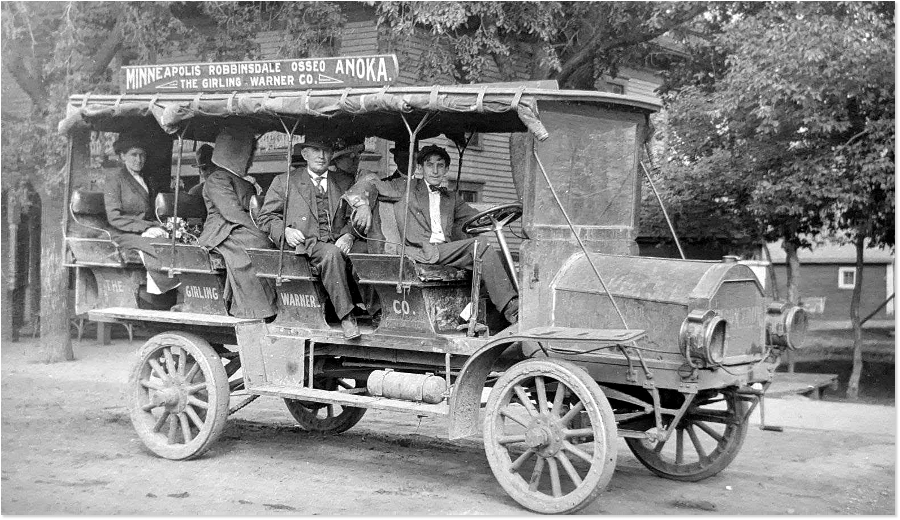
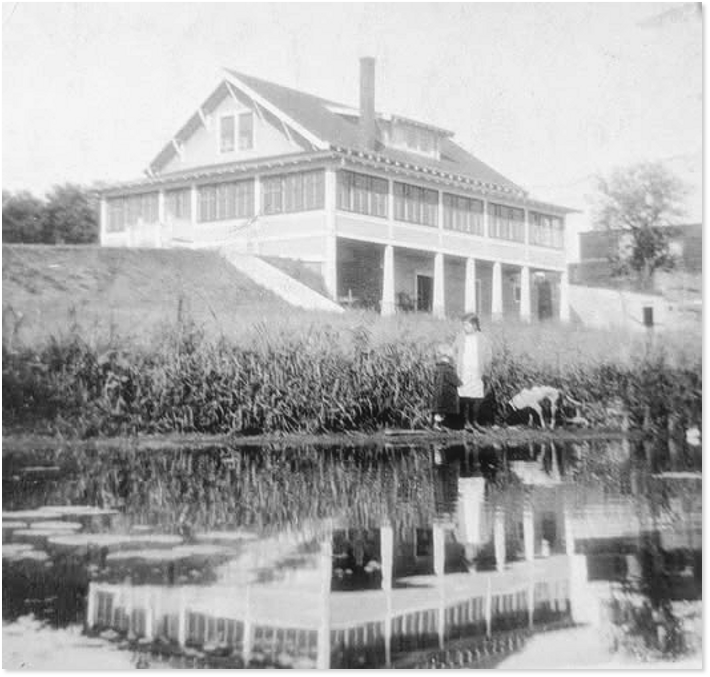
For more than a century, the Girling and Ambrose families have been woven into the history of Robbinsdale. Thomas Herbert Girling, born in England in 1865, arrived in Minnesota in the late nineteenth century and became one of the community’s most prominent early boosters. He was involved in publishing, transportation, real estate and politics, served as village president, and helped promote improvements such as paved roads. His 1917 home on Crystal Lake, where his granddaughter Lou Ambrose still lives, remains filled with original furniture, papers and family artifacts that offer a remarkable connection to Robbinsdale’s early years.
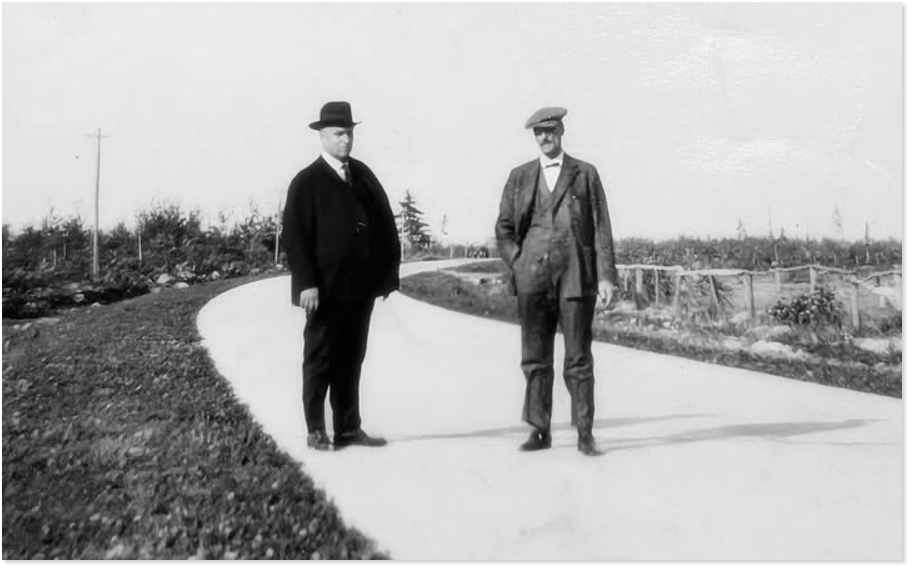
The Girling family’s history is filled with stories that reflect both the changing community and the personalities of the people who lived there. Girling operated an early bus company, helped improve roads leading into Robbinsdale, and was involved in the town’s sometimes-contentious saloon debate. His home was originally a true lakeshore residence, with the lake much closer than it is today. Family memories also recall wildlife along the shoreline, boating accidents, political campaigns and even a mysterious tunnel discovered beneath the house. After Girling died in an automobile accident in 1924, his wife preserved his furniture, paintings, congressional records and campaign materials, maintaining the house as a kind of memorial to him for the rest of her life.
The Ambrose family put down equally deep roots in Robbinsdale, building their West Broadway home in 1923. Lou’s grandfather, William Robert Ambrose, was an alderman during the transition from village to city and was active in civic organizations and community events. Her father, Leo Ambrose, served in World War II and later became Minnesota’s state waymaster. Family letters, photographs and other records preserve connections to wartime Robbinsdale, Sacred Heart Church, local government and everyday life. Together, the Girling and Ambrose stories illustrate something larger about Robbinsdale: its history is not only found in prominent buildings or official records, but also in the families who remained in their homes for generations and carried the memories of the community with them.
Listen to the rest of the story with Lou Ambrose!