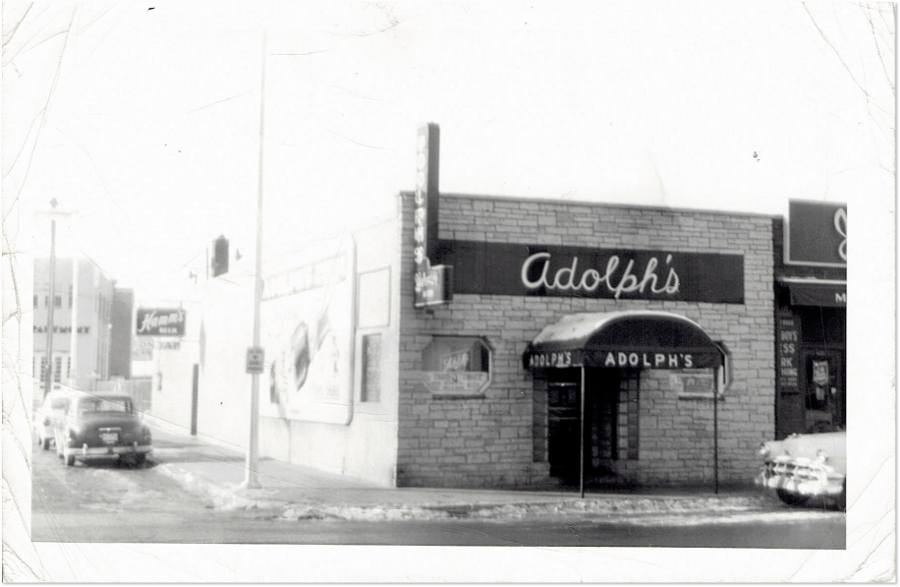
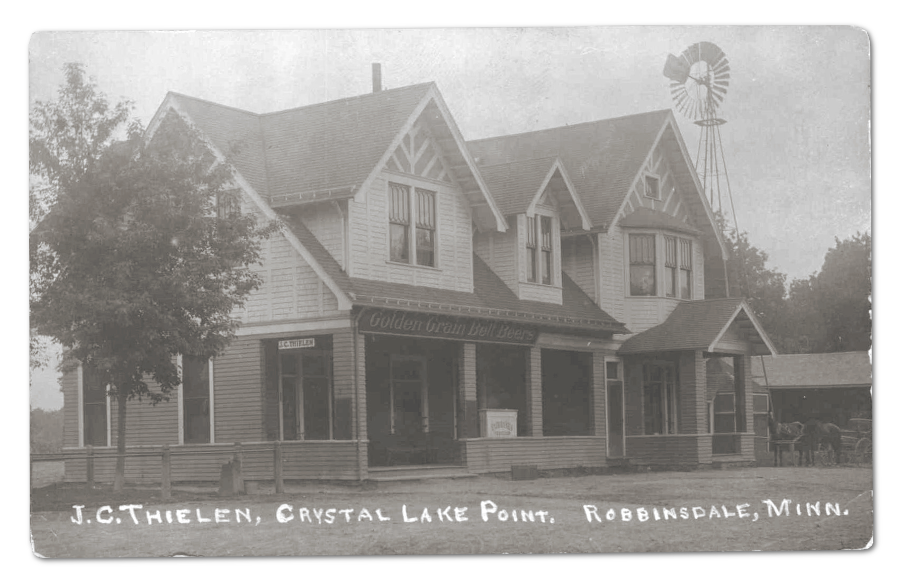
Robbinsdale’s early history with alcohol was shaped by its location just outside Minneapolis. When Minneapolis closed its saloons on Sundays in 1905, crowds poured into Robbinsdale, turning the village into a destination for drinking and sparking a bitter local battle between “wets” and temperance advocates. The controversy reached the state level, with officials threatening local leaders over lax enforcement, and culminated in a dramatic 1909 town-hall confrontation. The Crystal Lake Point Saloon became the center of much of the turmoil, including a deadly 1910 explosion that killed five men and helped turn public opinion against the liquor trade. By 1916, Robbinsdale voted itself dry, and local business owners and civic leaders soon claimed that the town’s economy and reputation had improved.
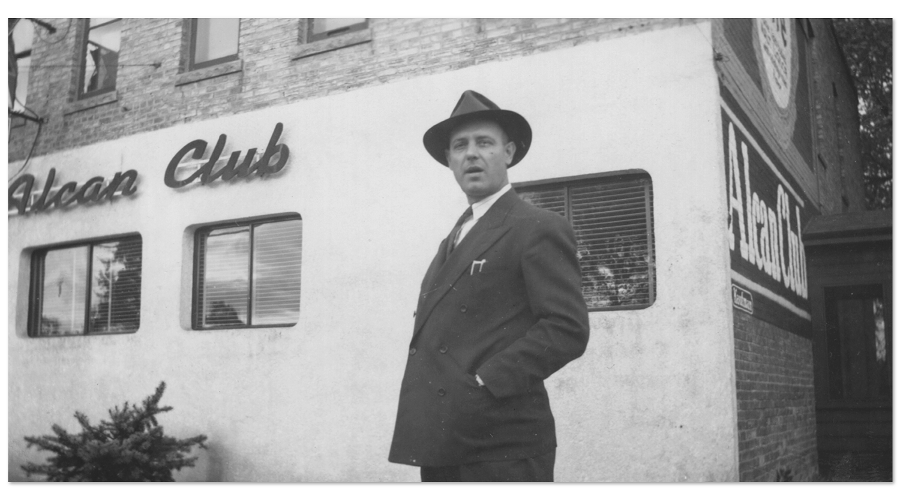
Prohibition brought a new chapter of bootlegging, illegal stills and gang activity to the Robbinsdale area. Federal agents uncovered huge moonshine operations on nearby farms, including one raid that led to a confrontation with notorious gangsters. At the same time, Robbinsdale resident Wilford Fawcett found national success making fun of Prohibition through Captain Billy’s Whiz Bang. When national Prohibition ended in 1933, Robbinsdale was temporarily forced to remain dry because of its earlier local-option vote, but legal liquor eventually returned. The city then developed an unusual system in which private establishments were restricted largely to 3.2 beer while the city operated a lucrative municipal liquor store. This produced decades of arguments over “set-ups,” liquor licenses, and whether the city’s monopoly was protecting public order or simply protecting its profits.
By the postwar years, taverns had become an important part of Robbinsdale’s social life, but liquor regulation continued to generate controversy. The city fought over expanding licenses for returning veterans, eventually established its municipal liquor store, and later became home to the ambitious nightclub Someplace Else. The club initially tried to attract adults and nationally known performers but struggled because it could serve only 3.2 beer, eventually reinventing itself as a hugely popular teen nightclub.
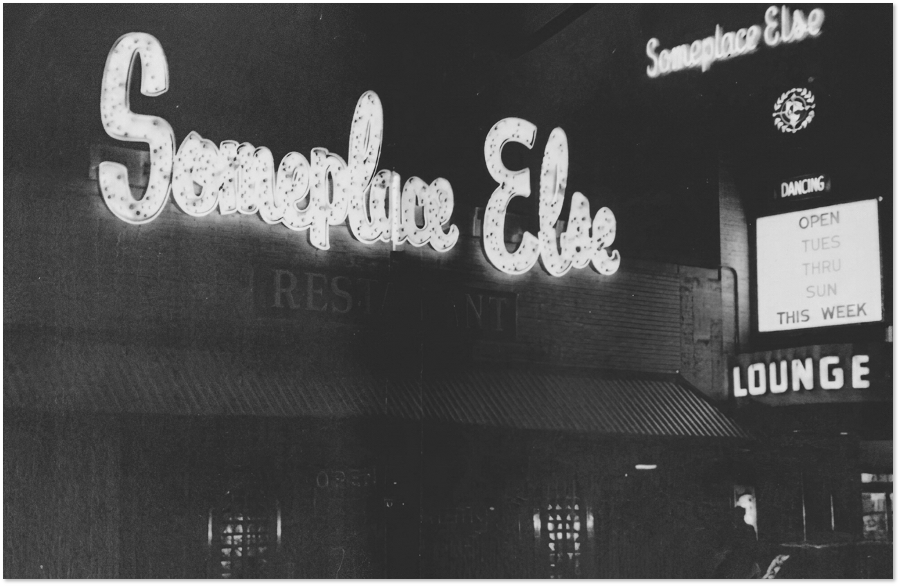
Its enormous crowds, fights, underage drinking and other disturbances eventually overwhelmed city officials with a series of increasingly serious incidents. After a 1968 shooting, the club was closed permanently.
From the packed streetcars of 1905 to the teenagers of the 1960s, Robbinsdale’s liquor history reflects a recurring struggle between the desire to be a respectable, orderly suburb and its attraction as a lively destination for people looking for something more.
Listen to the rest of the story!